When Basement Waterproofing Becomes an Emergency Repair
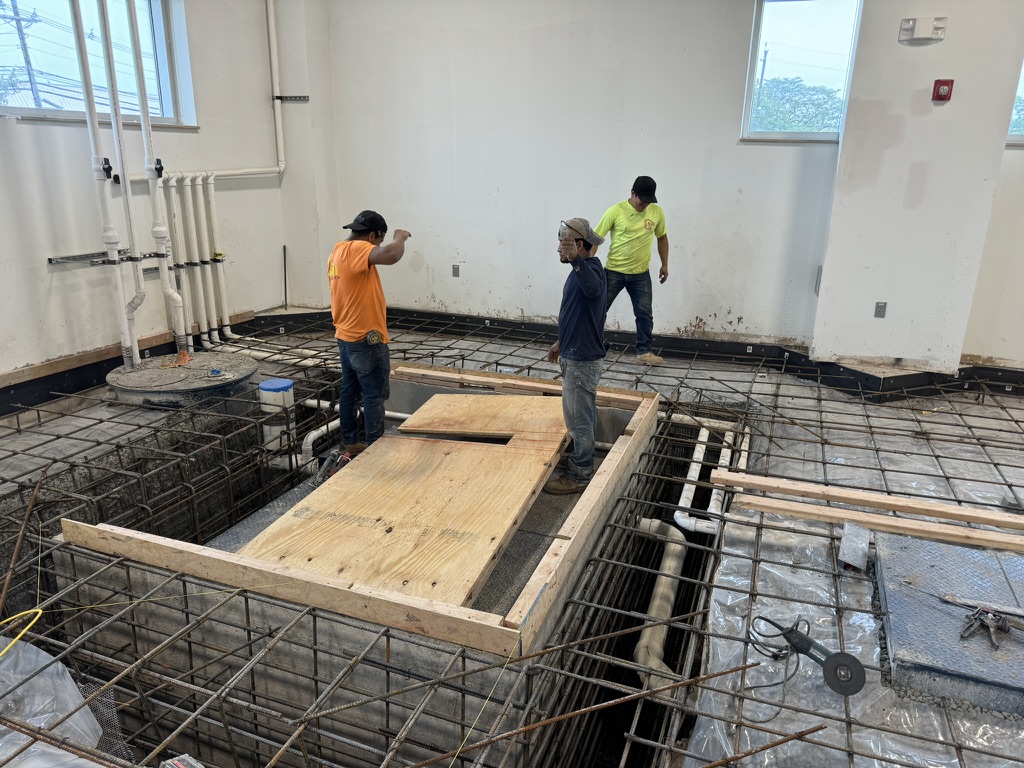
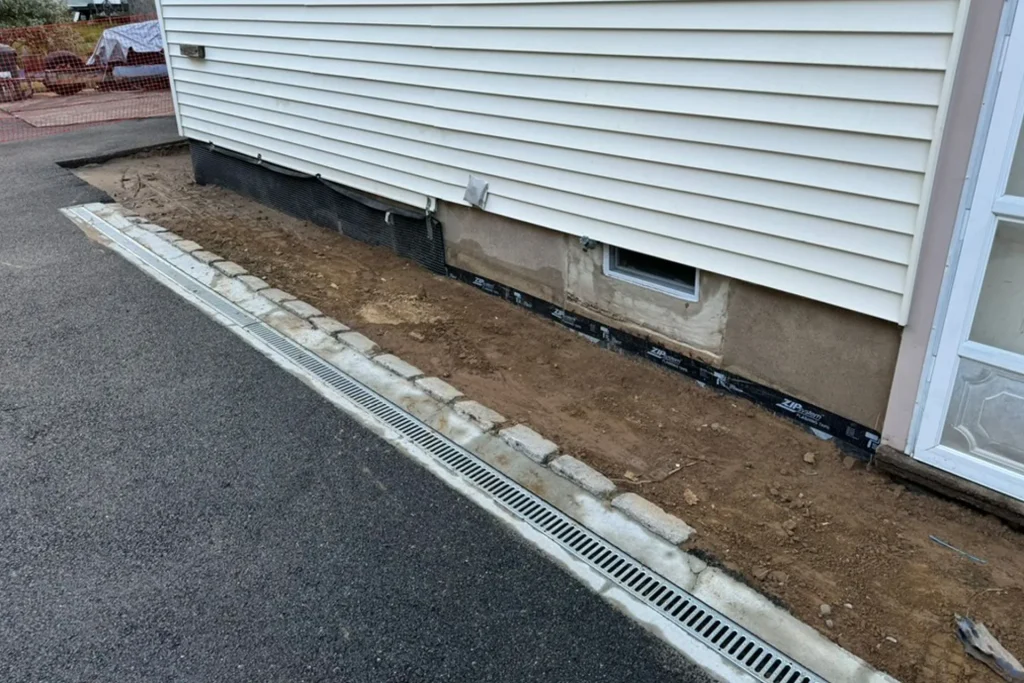
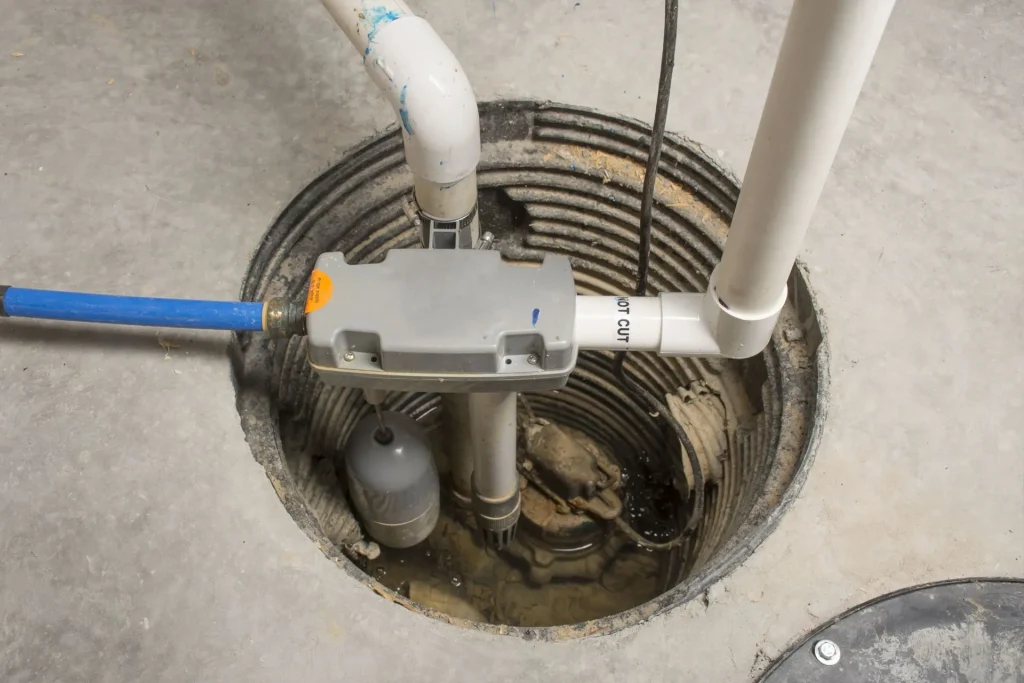
Most basement water problems build slowly. A faint musty smell shows up after heavy rain. Paint starts to bubble near the floor. A homeowner notices a damp cardboard box in the corner and moves on. Then one storm, one failed sump pump, or one clogged footing drain turns a manageable moisture issue into an emergency.
That shift matters because the work changes once water is actively entering the basement. A planned Basement Waterproofing project is about diagnosis, sequencing, and long-term prevention. An emergency repair is about stopping damage, protecting structure and utilities, and making fast decisions under pressure. The same basement can require both, but not at the same moment and not with the same priorities.
Anyone who has walked into a basement at 2 a.m. And heard the sound of water knows how quickly calm reasoning disappears. People worry about ruined flooring, furnace damage, mold, insurance, and whether the crack they ignored last spring just became a major foundation problem. Some of those fears are justified. Some are not. The challenge is knowing the difference quickly enough to limit the loss.
The line between a nuisance and an emergency
A damp basement is not automatically an emergency. A basement with a thin ring of moisture where the slab meets the wall may point to seepage, hydrostatic pressure, or condensation, but that does not always require immediate intervention the same day. The situation becomes urgent when water is entering fast enough to damage finishes, threaten electrical equipment, compromise mechanical systems, or suggest active structural movement.
The distinction often comes down to volume, speed, and source. A slow seasonal seep through porous concrete is one thing. Water spraying through a wall crack under pressure is another. If the water is ponding near a panel box, flowing into a finished living area, backing up through a floor drain, or rising around the perimeter after every rain, you are no longer discussing inconvenience. You are dealing with loss control.
The same is true when a dry basement suddenly becomes wet without a clear weather event. That can point to a plumbing leak, a failed water heater, or a condensate line issue rather than exterior groundwater intrusion. Homeowners sometimes call for Basement Waterproofing when the actual emergency is a burst pipe. The first job is not guessing. It is identifying whether the water is coming from inside the house, outside the foundation, or below the slab.
What turns routine waterproofing into urgent repair
Several conditions reliably move a basement problem into the emergency category. The first is rapid active intrusion. If water is entering faster than towels, a wet vac, or a portable pump can reasonably manage, the response window shrinks. The second is system failure. A sump pump that quits during a storm is not an abstract maintenance item anymore. It is the only thing standing between rising groundwater and indoor flooding.
The third is utility exposure. Furnaces, boilers, water heaters, laundry equipment, and electrical systems are often located in basements. Even a few inches of water can disable expensive equipment and create hazards. The fourth is evidence of structural change, such as widening wall cracks, inward bowing, heaving slab sections, or doors above the basement suddenly sticking after wet weather. Water itself may not be the entire emergency. Water plus movement is where professionals start asking harder questions.
Finally, contamination changes the stakes. Clear groundwater is bad enough. Sewage backup, gray water discharge, or stormwater carrying sediment through an old drain system requires a different cleanup standard. Once contaminated water enters the picture, the repair is no longer just about waterproofing. It becomes a sanitation and remediation issue.
The first hour matters more than most people think
The earliest decisions often shape the total cost more than the repair itself. Water follows gravity, but damage follows time. The first hour should be spent reducing exposure, not debating product brands or researching every possible system online.
If it can be done safely, shut off power to affected basement circuits. Move boxes, rugs, and furniture out of the wet area. If the water source is clearly interior, shut off the house water supply. If the sump pump has failed because of a tripped breaker, reset only if the area is dry enough and the electrical issue is understood. If not, leave it alone and call for help. Too many emergency calls get worse because someone waded through standing water to save a dehumidifier.
A basement with one inch of water across 800 square feet is holding roughly 500 gallons. People tend to underestimate that. It does not look like much until it starts soaking base plates, wicking into drywall, and filling floor cavities in a finished space. That is why fast extraction matters. Drying is not a cosmetic step. It is what keeps a water event from becoming a demolition project.
Signs that call for same-day professional help
Some basement conditions can wait a few days for a thorough estimate. Others should not.
- Water is actively entering through a crack, cove joint, floor drain, or wall penetration during the storm or immediately after it.
- The sump pump is not operating, is overwhelmed, or is cycling continuously without lowering the water level.
- Water has reached electrical components, gas appliance controls, or the base of a furnace or water heater.
- Cracks appear to have widened, a wall looks bowed, or the slab shows fresh heaving or displacement.
- The water may be contaminated, especially if there is a sewer odor, drain backup, or visible debris from a municipal overflow.
That list is short on purpose. In the field, speed matters more than perfect classification. If any of those conditions are present, waiting for the basement to "dry on its own" is usually a costly mistake.
Why basements flood when they have never flooded before
One of the hardest conversations with homeowners comes after a first-time flood in a basement that stayed dry for years. They often assume the waterproofing system failed overnight or that a contractor missed something obvious. Sometimes that is true. Often the cause is cumulative and a bit less dramatic.
Site drainage changes over time. Downspouts get disconnected. Gutters clog and overflow beside the foundation. Mulch beds build up against siding. A patio settles. A neighboring lot is regraded. Tree roots crush or clog footing drains. Fine silt accumulates in drainage stone. The sump discharge line freezes in winter or gets buried under landscaping. None of those changes are spectacular on their own. Together, they increase hydrostatic pressure around the foundation until the weakest point gives way.
Finished basements hide these signals. In an unfinished space, efflorescence on the wall, rust stains, mineral deposits, and dampness are obvious. Once drywall, insulation, trim, and flooring cover the concrete, the house stops giving useful warnings. By the time the owner notices damage, water may have been entering intermittently for months.
Older homes bring their own pattern. Many were built before current drainage practices, before reliable vapor barriers under slabs, and before basement living space became standard. A 1950s poured wall foundation behaves differently from a modern wall with exterior membrane, drainage board, footing drain, and a battery backup pump system. Expecting identical performance is unrealistic.
Emergency repair is triage, not the finished solution
This is where confusion creates disappointment. In an emergency, the goal is to stop ongoing damage and stabilize the basement. That may mean temporary crack injection, spot sealing, pump replacement, discharge correction, drain clearing, or immediate extraction and drying. Those are not always the same as the final corrective measures.
A contractor may install a temporary pump, redirect surface water, and seal a visible opening during a storm event, then return later for the full Basement Waterproofing plan. That plan might include an interior drain tile system, exterior excavation and membrane, sump basin upgrades, grading correction, gutter and downspout extensions, or partial wall repair. Homeowners sometimes hear "waterproofing" and picture one single product. Real basements rarely cooperate that neatly.
A good emergency response team says plainly what has been fixed, what has only been stabilized, and what still needs proper correction. If they do not separate those categories, the owner can walk away believing the crisis is over when the basement has merely bought some time.
The common emergency scenarios, and what they usually mean
Water at the cove joint, where the floor meets the wall, usually points to groundwater pressure below or beside the slab. Painting the wall seldom solves that. The water is not politely entering through the painted surface. It is finding the joint where the slab and wall meet, often because the footing drain is absent, clogged, or overwhelmed.
A vertical wall crack that leaks only during heavy rain can often be repaired effectively, but context matters. One crack in an otherwise stable poured wall is different from several cracks with displacement. Hairline seepage is different from a crack that delivers a steady stream during a storm. The repair may be straightforward, but only if the wall is not moving.
Window well flooding is common and often misunderstood. If the well fills like a bucket, the issue may be poor drainage at the well, missing covers, clogged drains, bad grading, or overflowing gutters. People often blame the window first. The window is just where the water finally shows itself.
Sump failures deserve special attention because they combine mechanical failure with weather timing. Pumps tend to fail during the exact conditions when they are needed most. A unit can be undersized, jammed by debris, dead from age, or disabled by power loss. In regions with severe storms, a primary pump without battery backup is a gamble, especially if the basement is finished or houses expensive equipment.
Then there is sewer backup, the situation homeowners most want to misidentify because the fix sounds cheaper if it is "just groundwater." It is not. When water comes up through fixtures or floor drains and carries odor or residue, the response must account for contamination. Cleanup, disposal, and disinfection standards rise immediately.
What a solid diagnosis looks like under pressure
Competent emergency work starts with controlled observation. Where is the water entering, at what rate, and under what conditions? Is it tied to rainfall, snowmelt, plumbing use, groundwater level, or mechanical failure? Has the basement taken water before? Has the site grading changed? Were there recent utility or landscaping projects outside?
A useful diagnosis often includes details that sound small https://zanewlns851.swiftnestly.com/posts/how-basement-waterproofing-can-reduce-pest-problems but matter. Is the crack damp only at the bottom, or wet top to bottom? Does the sump basin fill but fail to discharge, or stay empty while the floor floods elsewhere? Are there mineral trails that suggest repeated seepage rather than a first event? Is the discharge line frozen, crushed, or recirculating water too close to the foundation? These are not academic questions. They determine whether the repair strategy should attack the symptom or the source.
I have seen homeowners spend thousands sealing interior surfaces while a disconnected downspout dumped roof water directly against the footing. I have also seen the reverse, where every downspout on the house was perfect but subsurface water still forced its way through a cold joint because the original drainage system had silted shut after decades. Broad advice is cheap in this trade. Accurate diagnosis is where the money should go.
Temporary measures that help, and those that waste time
Emergency conditions invite quick fixes, and not all of them are useful. Running dehumidifiers after the basement is already wet helps dry the space, but it does not stop intrusion. Hydraulic cement can slow certain leaks, but it is not a cure for broad hydrostatic pressure under the slab. Waterproof paint has a place in some cosmetic maintenance programs, but it is not a rescue tool when the wall is actively leaking.
The measures that actually help in the short term are usually straightforward: extract water, restore pump function, redirect roof runoff far from the house, open clogged discharge lines, clear blocked drains if accessible, and reduce pressure at known entry points where a proper repair is pending. In other words, manage water physically first. Decorative chemistry comes later, if at all.
That practical distinction saves money. A homeowner under stress is vulnerable to buying the wrong solution simply because it sounds comprehensive. In an emergency, a contractor who talks more about coatings than water paths is often solving the easier sales problem, not the harder basement problem.
The hidden damage that keeps showing up after the floor looks dry
A basement can appear dry and still be in trouble. Water moves into framing, insulation, drywall edges, engineered flooring, and stored contents long after the puddles are gone. The lower two inches of drywall may wick moisture several inches upward. Fiberglass insulation in a finished wall can hold water where no one sees it. Vinyl flooring can trap moisture against the slab and create odor problems weeks later.
This is why moisture mapping and deliberate drying matter. Not every wet basement requires broad demolition, but every wet finished basement requires skepticism. If drying begins within the first day and materials are evaluated honestly, many assemblies can be saved. If the space sits closed up for several days in warm weather, the decision often shifts from restoration to removal.
Mechanical equipment deserves the same caution. Furnaces, boilers, and water heaters that have been partially submerged may need professional inspection before restart. It is tempting to flip everything back on once the floor clears. That is how secondary failures happen.
Cost pressure is real, but delaying can cost more
Emergency Basement Waterproofing work is expensive because labor happens on short notice, conditions are messy, and crews are often working in active weather. Even so, delay is not free. Water damage expands outward. A failed pump that might have cost a few hundred dollars in planned replacement can become several thousand dollars in extraction, drying, material removal, and repairs after one storm night. Add finished flooring, trim, furniture, or appliance replacement, and the number climbs fast.
That does not mean every homeowner should authorize the largest proposed system on the spot. It does mean the lowest immediate price is not automatically the best value. A basement that repeatedly takes two inches of water does not become cheaper because the owner chooses two emergency cleanups instead of one proper drainage correction. At some point, recurring loss is more expensive than the fix everyone wanted to postpone.
How to evaluate a contractor when the basement is already wet
The hardest time to choose a contractor is when you need one immediately. The basement is wet, the family is anxious, and every proposal sounds urgent. This is where clear communication matters more than polished marketing.
Look for a company that can explain the source of water in plain language, separate emergency stabilization from permanent correction, and tell you what they still do not know. Honest uncertainty is a good sign in the first visit. Basements are complex. Anyone promising certainty before observing a full weather cycle or inspecting the entire drainage context may be selling confidence more than competence.
Ask what they are doing today, what risk remains after they leave, and what evidence would justify the next phase. Ask whether the proposed repair addresses surface water, subsurface water, structural movement, or only the visible leak. If there is a warranty discussion, make sure it matches the actual condition. A leak-seal warranty does not cover wall movement. A pump warranty does not cover a blocked exterior drain.
Preventing the next emergency after this one is handled
Once the basement is dry and stable, prevention should become boring on purpose. Reliable basements are usually the result of unglamorous maintenance and realistic upgrades, not miracle products.
- Keep gutters clean and downspouts discharging well away from the foundation.
- Test the sump pump before wet seasons and add a battery backup if flooding would be costly.
- Maintain grading so surface water falls away from the house, not toward it.
- Watch for early signs such as efflorescence, damp corners, musty odor, and recurring condensation.
- Address cracks and drainage problems when they are small, before the next severe storm decides the schedule.
That is not a dramatic program, but it works. Most emergency calls are not caused by one freak event alone. They happen when a heavy rain meets deferred maintenance or an aging system with no backup.
When urgency is the message
Basement problems have a way of teaching timing. Water does not care whether the renovation budget is six months out or whether the pump was going to be replaced next spring. Once intrusion reaches the point of active damage, waterproofing stops being a home improvement category and becomes emergency repair.
The useful mindset is simple. First, protect people and utilities. Second, stop or control the water. Third, diagnose the true source. Fourth, separate temporary stabilization from permanent correction. That sequence keeps panic from driving expensive mistakes.
A dry basement after an emergency is not always proof that the problem is solved. Sometimes it only means the rain ended. The real measure is whether the house can handle the next storm, the next thaw, and the next rise in groundwater without repeating the same failure. That is the point where Basement Waterproofing earns its value, not as a patch after the fact, but as the work that prevents the next emergency from happening at all.
ARD Waterproofing
98 Smull Ave, West Caldwell, NJ 07006, United States
+1 917-691-8411
FAQ About Basement Waterproofing
Can you 100% Waterproof a Basement in West Caldwell?
A properly designed system can substantially reduce basement water intrusion, but no method can promise protection against every flood, equipment failure, or future change in site conditions. The first step is identifying whether moisture comes from surface runoff, groundwater, plumbing, or condensation. Solutions may include grading and gutter improvements, drainage, foundation repairs, and a sump system. Review the specific coverage and exclusions of any written warranty.
How much does it cost to professionally waterproof a basement in NJ?
There is no single price that fits every basement. Cost depends on the cause of the leak, the area needing work, access, excavation requirements, drainage design, sump equipment, and restoration of disturbed finishes or landscaping. Request an on-site assessment and an itemized written estimate that explains the scope, exclusions, and maintenance requirements before comparing proposals.
How long does foundation waterproofing last in West Caldwell, NJ?
Service life varies with the waterproofing materials, installation quality, soil and water conditions, and maintenance. Drainage components and pumps may require servicing or replacement even when other parts of the system remain functional. Keep gutters, drainage outlets, and sump equipment maintained, and have recurring leaks or changes in foundation condition assessed. Ask for product-specific expectations and written warranty terms rather than relying on one lifespan for the entire system.